Health & Sanitization
Traditional methods
Masks odors with perfume; leaves bacteria active.
Our product (FizzClean Turbo Foam)
Molecularly dissolves the source of bacteria & aerosols.
ADVERTORIAL
Published 3 days ago
Independent lab notes show biofilm can persist under the rim while ceramics still look “clean.” Here is what we measured—and what we changed in our own routine.
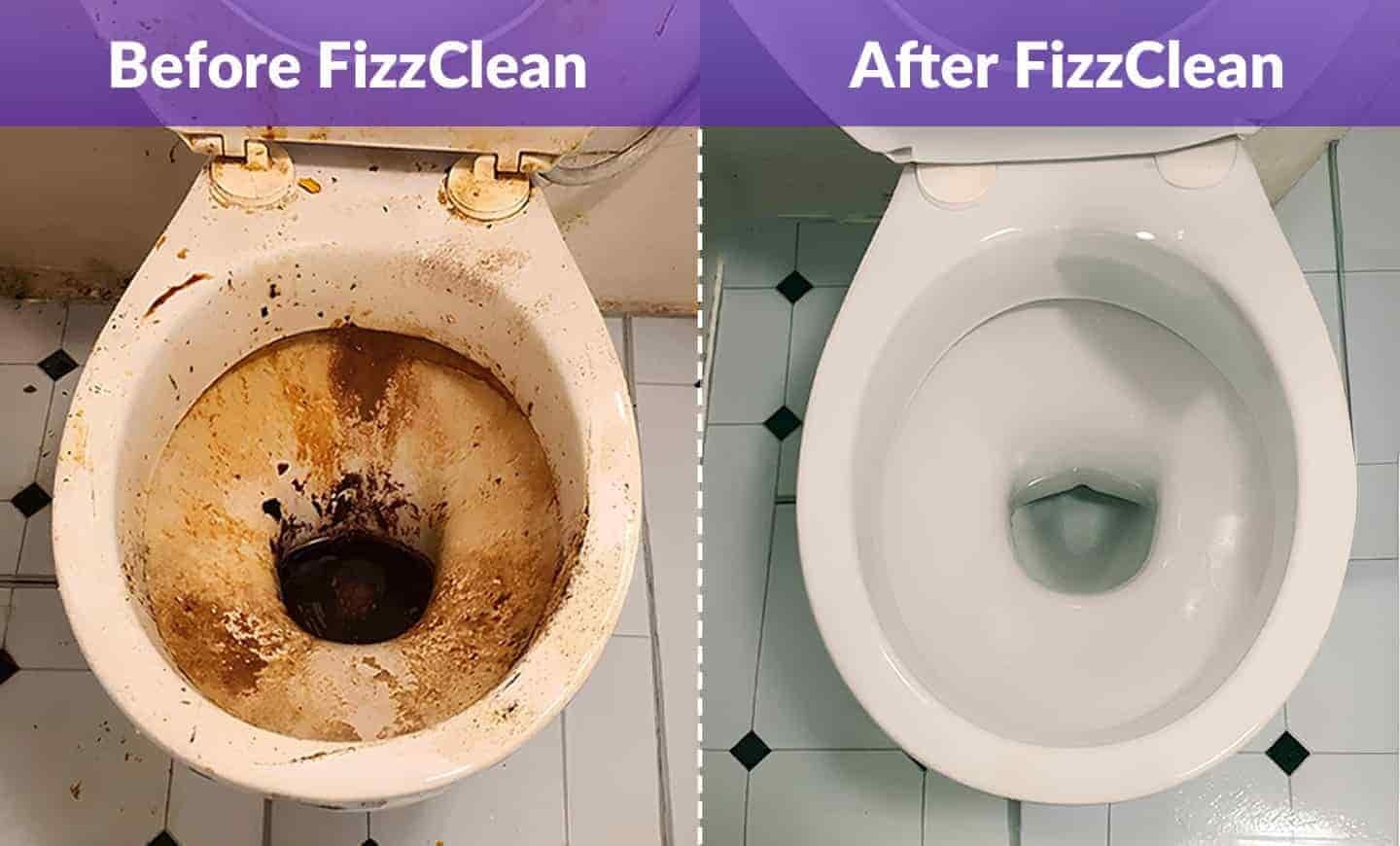
If you only judge cleanliness by shine and scent, you can miss the sticky layer that holds bacteria in place—especially in the channel under the rim where brush bristles rarely seat evenly.

Dr. James Calder
Research chemist · 18 years formulation QA
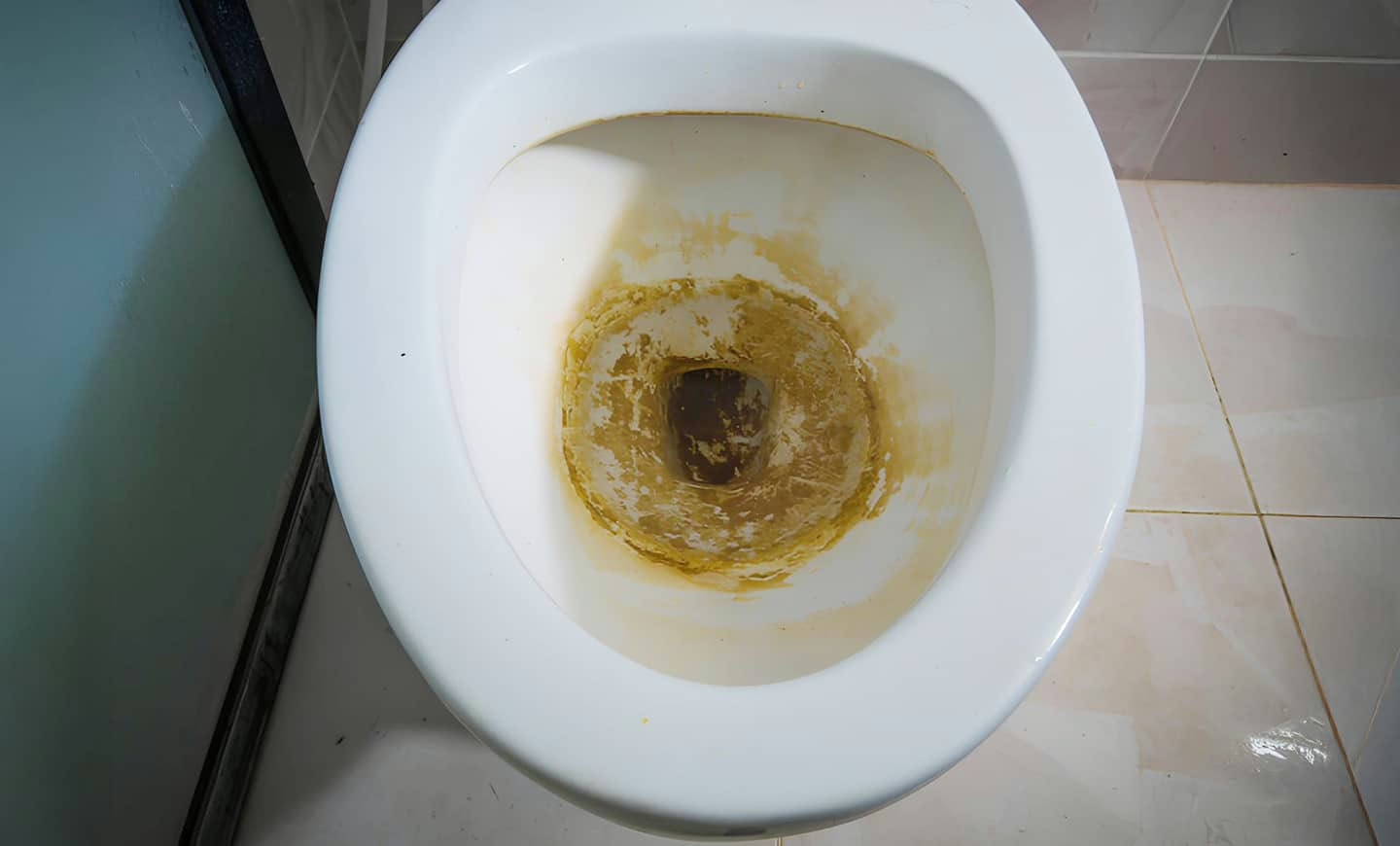
Television demos love a dramatic pour and an instant sparkle. In real bathrooms, biofilm returns in days if the matrix is not disrupted—often faster in homes with hard water minerals binding organics.
A short loop of the product in use—no controls, just the motion we look for on vertical ceramic: wetting, cling, and rinse-down.
As a chemist, I care less about “tough marketing words” and more about contact time, surfactant class, and whether the formula is designed to wet a vertical ceramic film. That is why I agreed to run a two-week structured trial of FizzClean Turbo Foam in my own home lab setup.

Surfactants reduce surface tension so the foam can wet the biofilm matrix instead of beading and sliding.
The goal is contact time where brushes seat unevenly—vertical cling matters more than a dramatic bowl puddle.
Enzyme-forward routines prioritize repeat weekly maintenance over a single corrosive shock treatment.
Reader offer: 70% OFF for shoppers online. Availability and shipping estimates are set by the merchant at checkout.
| Criteria | Traditional methods | Our product (FizzClean Turbo Foam) |
|---|---|---|
| Health & Sanitization | Masks odors with perfume; leaves bacteria active. | Molecularly dissolves the source of bacteria & aerosols. |
| Targets stubborn under-rim biofilm films | ||
| Often relies on strong acid odour for “power” feeling | ||
| Designed for repeat weekly maintenance routines | ||
| Works without a staged “TV demo pour” | ||
| May still need mechanical brushing for extreme build-up |
Traditional methods
Masks odors with perfume; leaves bacteria active.
Our product (FizzClean Turbo Foam)
Molecularly dissolves the source of bacteria & aerosols.
Traditional methods
Our product (FizzClean Turbo Foam)
Traditional methods
Our product (FizzClean Turbo Foam)
Traditional methods
Our product (FizzClean Turbo Foam)
Traditional methods
Our product (FizzClean Turbo Foam)
Traditional methods
Our product (FizzClean Turbo Foam)
Comments from readers. Replies may include product guidance.


Thousands have switched to FizzClean for effortless, scrub-free toilet cleaning.